
Introduction
In today’s digital-first world, creating a seamless and personalised user experience is no longer optional—it is essential. Users expect apps and websites to cater to their preferences, anticipate their needs, and adapt to their behaviours. One of the most effective ways to achieve this is through behavioural segmentation; data science is the engine that powers it.
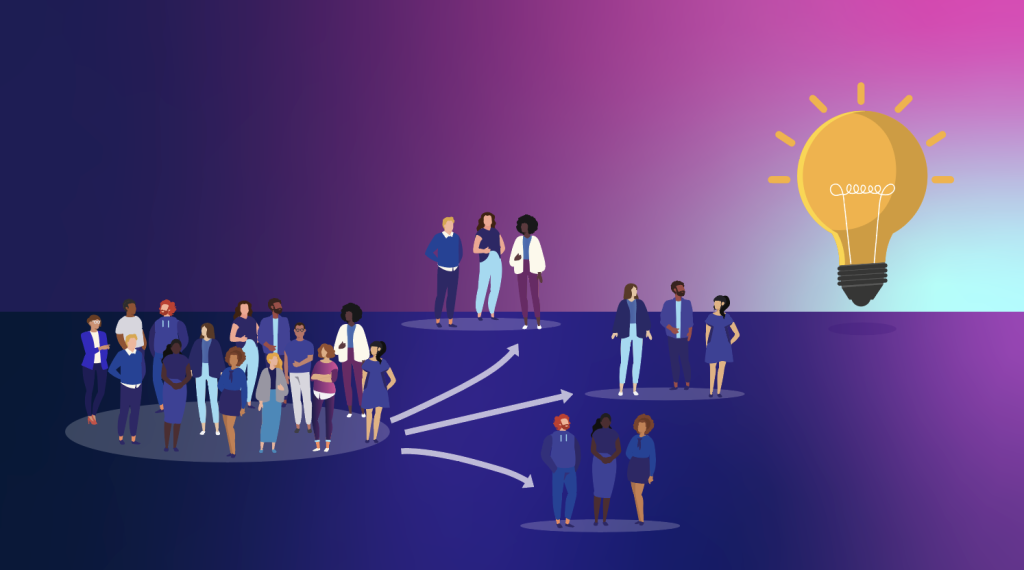
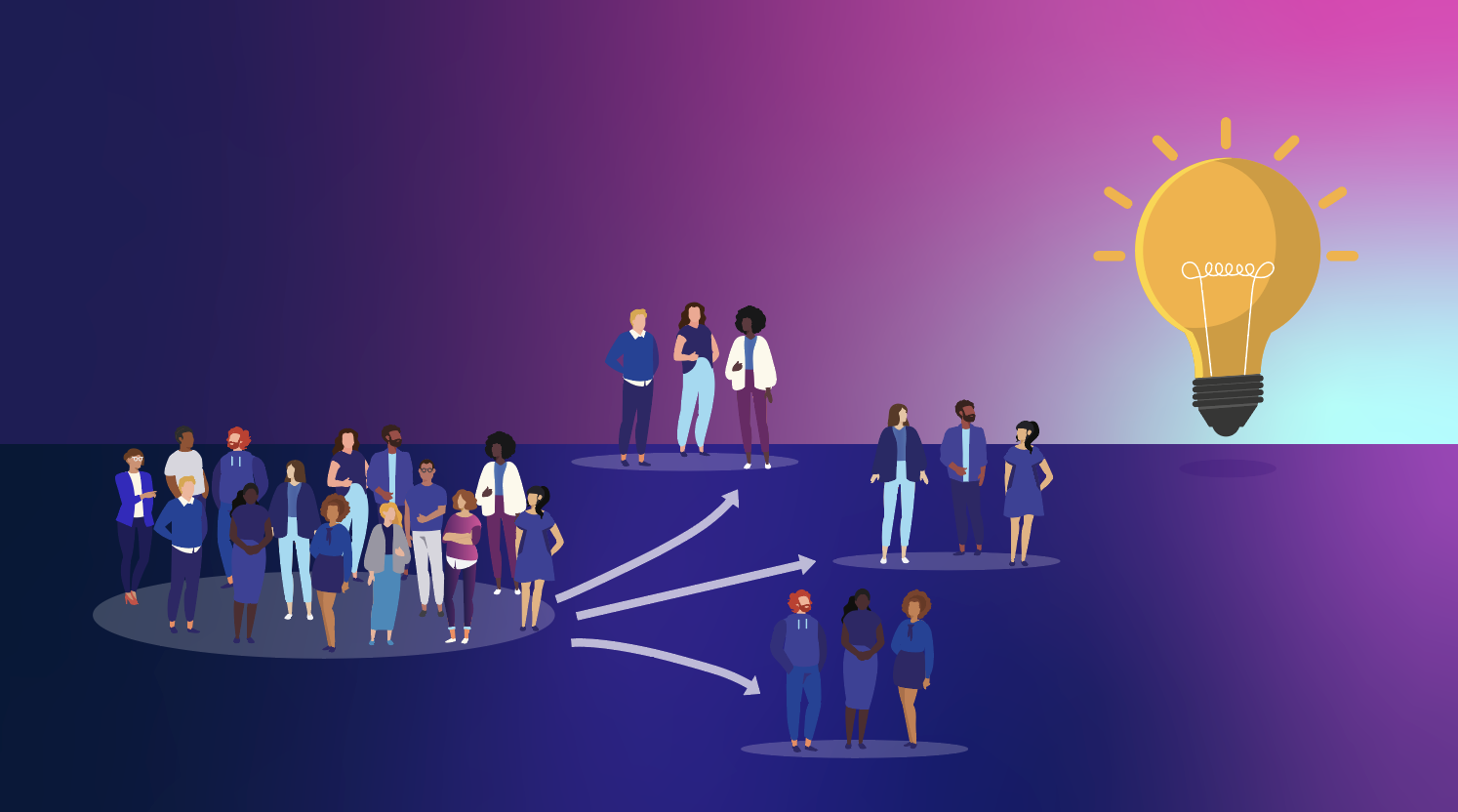
Behavioural segmentation involves dividing users based on their interaction with a product or service. Instead of relying solely on demographic information like age or location, this approach focuses on user actions—clicks, browsing patterns, time spent on pages, purchase history, and more. Using data science to extract, analyse, and interpret this behavioural data, UX designers and product teams can create experiences that feel intuitive, relevant, and user-friendly.
Suppose you aim to work at the intersection of technology and human behaviour. In that case, a Data Science Course in Mumbai can equip you with the expertise necessary to harness behavioural insights and transform user experience design in powerful ways.
The Importance of Behavioural Segmentation in UX Design
Traditional UX design often relied on intuition or generalised personas created through surveys or small user interviews. While these methods are valuable, they fall short when capturing real-time and dynamic user interactions.
Behavioural segmentation offers several advantages:
- Real-world insights: It reflects actual user behaviour, not assumed intent.
- Dynamic updates: Segments can be updated as user behaviour evolves.
- Higher personalisation: Offers tailored content, recommendations, and interfaces.
- Improved conversions: Targeted UX enhancements often lead to increased engagement and sales.
In essence, data-driven behavioural segmentation allows UX designers to stop guessing and start designing with precision.
How Data Science Enables Behavioural Segmentation
Data science provides the methodologies, tools, and infrastructure to analyse user behaviour at scale. Here is how it facilitates behavioural segmentation in UX design:
Data Collection and Cleaning
The first step in segmentation is gathering raw behavioural data. This can include click-through rates, bounce rates, scroll depth, session duration, and user flow. Data is typically collected through web analytics tools, mobile app logs, and CRM systems.
Once collected, data scientists clean the data—removing duplicates, correcting errors, and standardising formats—to ensure it is ready for meaningful analysis.
Feature Engineering
Feature engineering involves creating meaningful variables from raw data. For example, rather than using just session time, data scientists might derive features like “average session time per day” or “conversion rate per visit.” These refined features allow for deeper insights and more accurate segmentation.
Clustering Algorithms
Data scientists often employ unsupervised learning techniques like K-Means, DBSCAN, or Hierarchical Clustering to segment users. These algorithms group users based on similarities in their behaviour. For instance, one cluster might represent users who browse frequently but never purchase, while another might include users who buy immediately after viewing a product.
Predictive Modelling
In some cases, predictive models are used to anticipate user behaviour. For example, a model might predict the likelihood of a user churning or clicking on a specific feature. These predictions help UX designers take proactive steps, such as presenting a customised offer or tweaking the interface to retain interest.
Data Visualisation and Communication
Finally, the segmented data must be effectively communicated to UX designers, marketers, and product managers. Data scientists convey findings using dashboards, heatmaps, and user flow diagrams. This visual storytelling ensures that insights are not only accessible but actionable.
Practical Applications in UX Design
Here are a few real-world applications of behavioural segmentation powered by data science typically covered in a standard Data Science Course:
- Personalised Onboarding: New users can be guided through onboarding paths tailored to their behaviour, interests, or prior knowledge.
- A/B Testing: Different user segments can be tested with alternate designs to see which variant yields better engagement.
- Contextual Recommendations: E-commerce sites can suggest products based on user browsing patterns, increasing the likelihood of conversion.
- Interface Optimisation: By analysing where users drop off or spend excessive time, designers can identify and fix pain points in the UI.
- Retention Campaigns: Platforms can identify users likely to disengage and serve reminders or incentives to return.
These improvements are not based on hunches—data drive them, interpreted by experts having both technical skill-building experience with in-depth knowledge of practical case studies.
Benefits for Businesses and Users
The use of behavioural segmentation via data science creates a win-win scenario. For businesses, it leads to:
- Higher ROI: Tailored experiences reduce bounce rates and boost sales.
- Efficient Marketing: Targeted campaigns are more effective than mass outreach.
- Product-Market Fit: A better understanding of user needs allows for better product evolution.
For users, the benefits are just as significant:
Relevance: Content and recommendations align with their interests.
- Simplicity: Interfaces that adapt to user preferences are easier to navigate.
- Satisfaction: A seamless, frictionless experience encourages continued use.
This synergy is a key reason many digital companies invest heavily in data science capabilities.
Preparing for a Career in Behavioural Analytics
The demand for professionals who can integrate data science and user experience is skyrocketing. Roles such as behavioural data analyst, UX analyst, and product data scientist are emerging in tech companies, agencies, and startups.
A well-structured Data Science Course in Mumbai offers exposure to key tools like Python, SQL, Tableau, and machine learning frameworks, along with projects that simulate real UX challenges. Meanwhile, a more comprehensive learning program helps learners develop an end-to-end understanding—from data wrangling to model deployment and impact evaluation.
These courses often include hands-on capstone projects in segmentation, recommendation systems, and user interaction analysis, preparing learners to contribute effectively to multidisciplinary product teams.
Challenges and Considerations
While behavioural segmentation offers many benefits, it is not without challenges:
- Data Privacy: Collecting and analysing user behaviour must comply with privacy laws like GDPR.
- Data Overload: Too much data can confuse decision-makers and lead to decision paralysis without clear goals.
- Bias and Fairness: Segmentation should be inclusive and avoid reinforcing negative stereotypes or excluding user groups.
- Interpretability: UX designers may not always understand technical output from models, emphasising the need for collaboration and communication between data scientists and design teams.
A thoughtful approach that combines ethical data practices with clear communication can help navigate these concerns effectively.
Conclusion
Behavioural segmentation has become a cornerstone of effective UX design in an increasingly personalised digital world. By leveraging data science, businesses can gain deep insights into user actions and tailor experiences that are not just efficient but delightful.
The path to mastering this intersection of data and design starts with the proper education. Whether you are a budding analyst or an experienced developer, enrolling in a Data Science Course can give you the skills to transform behavioural data into meaningful user experiences.
Behaviour is the best predictor of future actions—and with data science, we can design experiences that meet users exactly where they are.
Business Name: ExcelR- Data Science, Data Analytics, Business Analyst Course Training Mumbai Address: Unit no. 302, 03rd Floor, Ashok Premises, Old Nagardas Rd, Nicolas Wadi Rd, Mogra Village, Gundavali Gaothan, Andheri E, Mumbai, Maharashtra 400069, Phone: 09108238354, Email: enquiry@excelr.com.